Skip to content

Specialty

Surgery

Assessment and performance of surgical procedures.
Book an appointmentCall the clinic

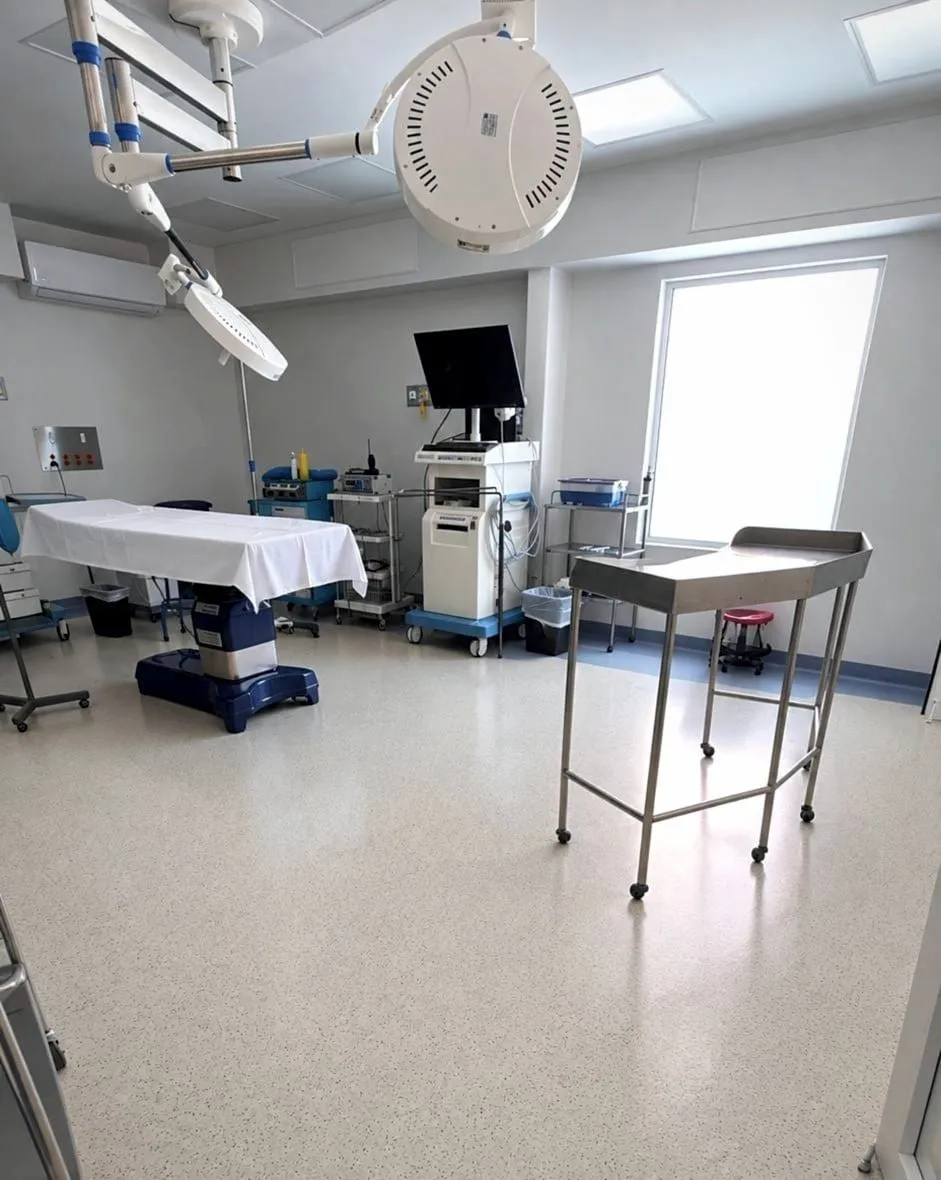
Clinic operating room: a surgical table with a white sheet, a surgical light on the ceiling, an equipment tower with a monitor, a steel table and a light floor.
Types
Scheduled surgery and emergency surgery.
Operating room
With a C-arm (fluoroscopy) and X-ray.
Hospitalization
In a suite or a standard room.

Did you know?

Laparoscopic surgery uses small incisions and a camera, which often allows a quicker recovery. There is usually less pain after the operation and smaller scars than with open surgery. Not every case can be operated on this way: your surgeon decides which option is best for you.

Scheduled and emergency surgery

Each case is assessed individually.

Scheduled surgery

It is planned in advance, after an assessment with the surgeon and the prior tests. The date, operating room and room are arranged.

Emergency surgery

It is surgery that cannot wait. The case is assessed in emergency care and, if required, goes to the operating room.
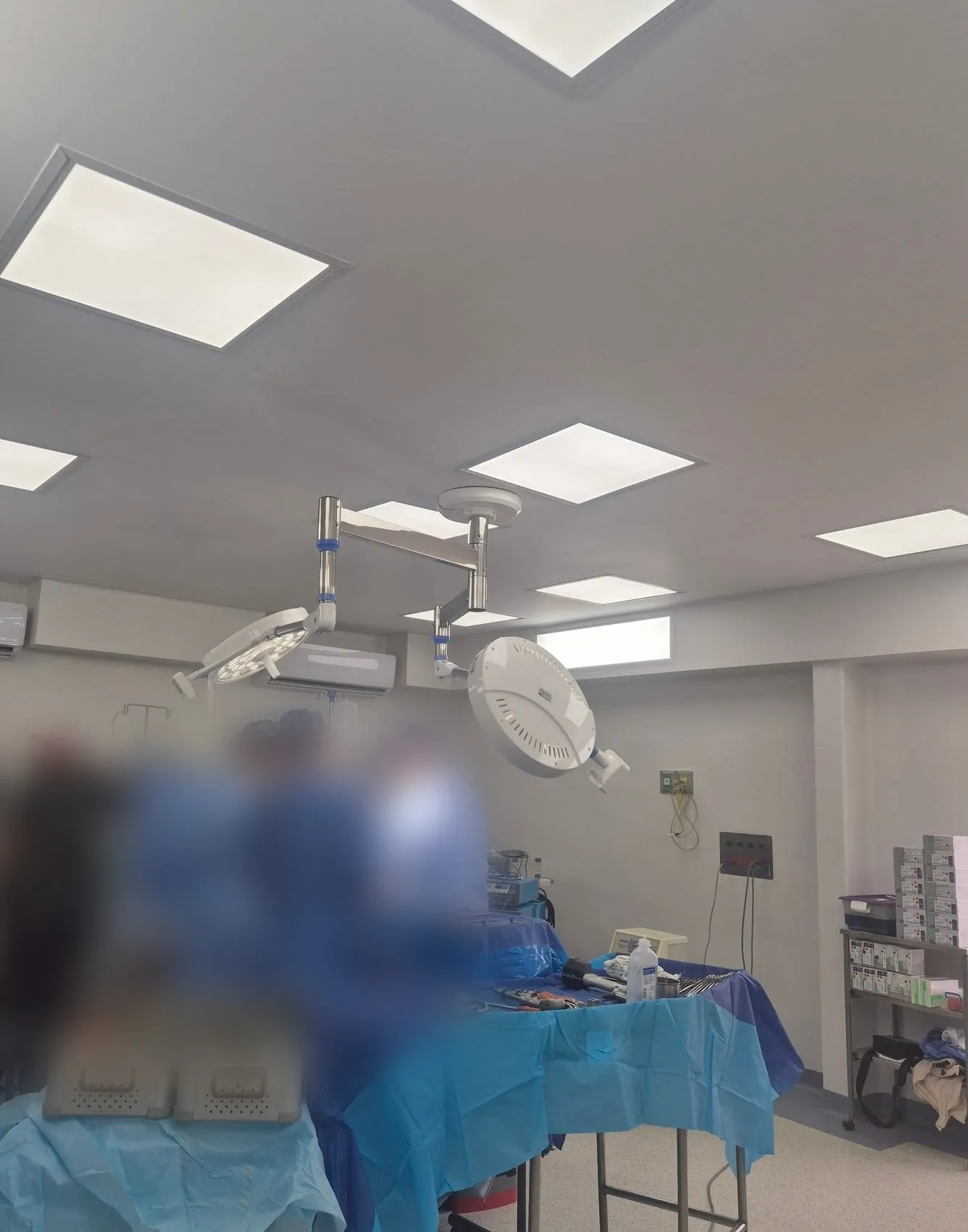
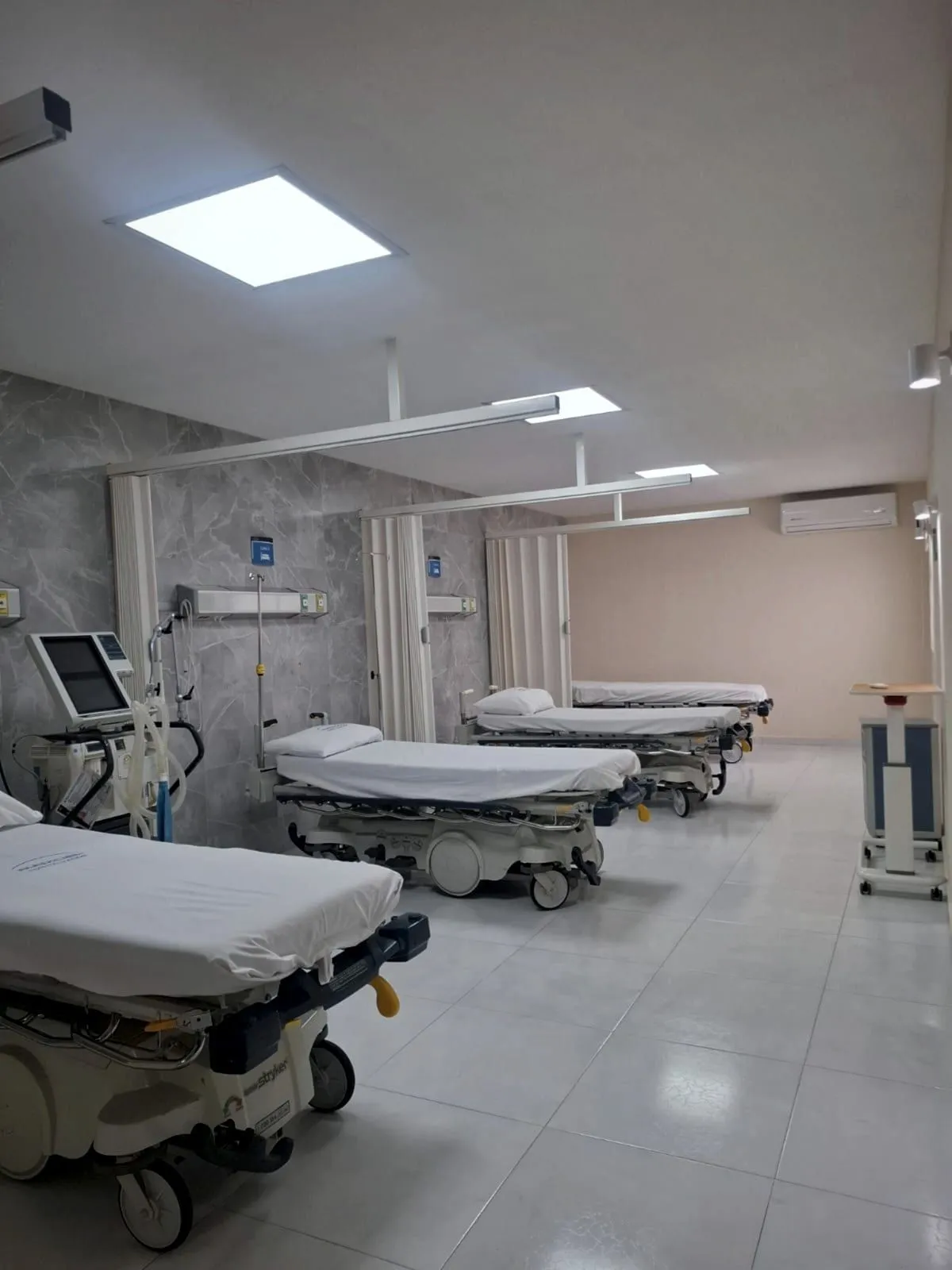
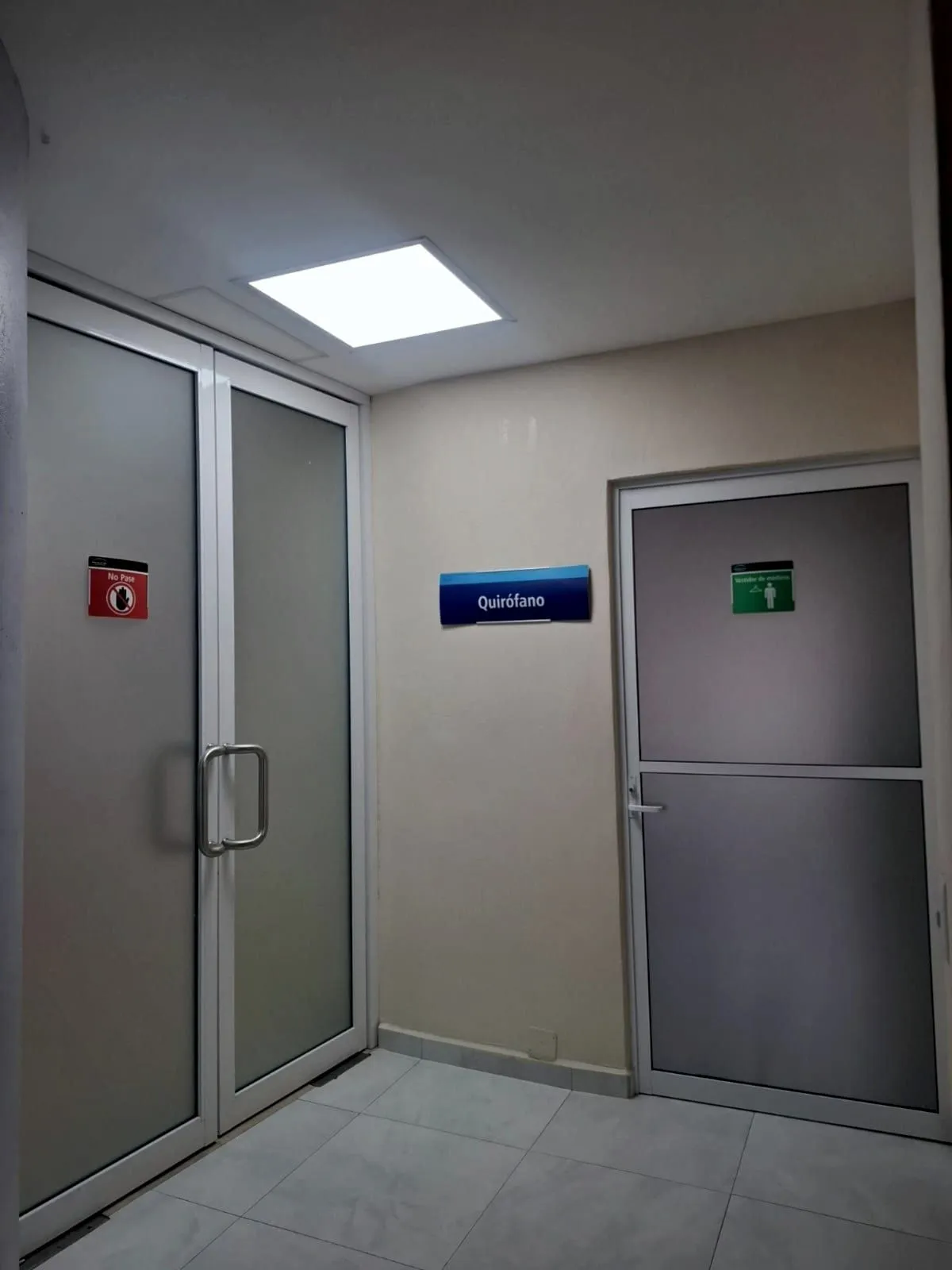
Another view of the clinic operating room, with surgical lights on the ceiling; the medical team is blurred.Long recovery room for post-operative patients: transfer beds separated by curtains, gas outlets, a monitor and a white floor.Operating room hallway: double doors with the restricted-access sign, the Operating room sign and the doctors’ changing room door.

Procedures

Everything is tailored to each diagnosis and patient.

General surgery

  • AppendectomyRemoval of the appendix when it is inflamed (appendicitis).
  • CholecystectomyRemoval of the gallbladder, for example when there are gallstones.
  • Laparoscopic surgerySurgery through small incisions with a camera, when the case allows it.

Orthopedic surgery

  • ArthroscopyA procedure with a camera inside the joint, such as the knee, to assess and treat injuries.
  • Joint replacementReplacement of a worn or damaged joint with a prosthesis.

What scheduled surgery is like

  1. Assessment with the surgeon

    Your case is reviewed and the surgeon explains which procedure is advisable and why.

  2. Prior tests

    Depending on the case: laboratory tests, X-rays or an electrocardiogram.

  3. Scheduling

    The operating room date and the room for your stay, a suite or a standard room, are arranged.

  4. Surgery

    In the clinic’s operating room, with a C-arm, X-ray and surgical nursing.

  5. Recovery and follow-up

    Care during your stay and check-ups after surgery.

Do not wait for an appointment if you have

Go to emergency care right away; you do not need an appointment.

Call the clinic
  • Severe abdominal pain that does not ease
  • A rigid or very swollen abdomen
  • Fever with abdominal pain
  • Vomiting that does not stop
  • An exposed bone or a deep wound with bleeding

This list is general guidance and does not replace an assessment by a doctor.

Operating room and facilities for your own specialist

If you or your patient prefer to be operated on by your own specialist, the clinic makes its operating room, hospitalization and facilities available.

  • Requirement: the specialist must hold a professional license (cédula profesional) in the specialty.
  • Depending on the procedure, the clinic can provide a support physician, surgical nursing and an intensive care physician.
  • Equipment: C-arm (fluoroscopy) and X-ray.
  • Availability and information by phone.

For quotes, information about stays, hospitalization or operating room rental, and any other enquiry, write directly to management:gpe.gal@hotmail.com

Would you like to see us?

Book your appointment or call the clinic to find out how we can help.

Book an appointmentCall the clinic

Address
Av. José María Morelos y Pavón 6, Centro, 40890 Zihuatanejo, Gro.
Phone
755 554 8617
Management: quotes and information
gpe.gal@hotmail.com
Email
Enfermeriamediciel@gmail.com
Facebook
facebook.com/clinicamediciel
Languages
Spanish and English